Electrolysers appear to be a competitive solution to help reaching the clean H2 production level set by the EU. However, the use of H2 requires various pressure levels depending on the chosen processes and applications, which systematically involves additional pressurisation steps after the production to allow storage, transportation or usage.
As the compression of H2 is very energy-intensive, especially for the first bars, producing pressurised H2 directly in the electrolyser can bring major relief on the compression costs, reduce the technological complexity and positively impact the global process efficiency and furthermore a potentially smaller footprint.
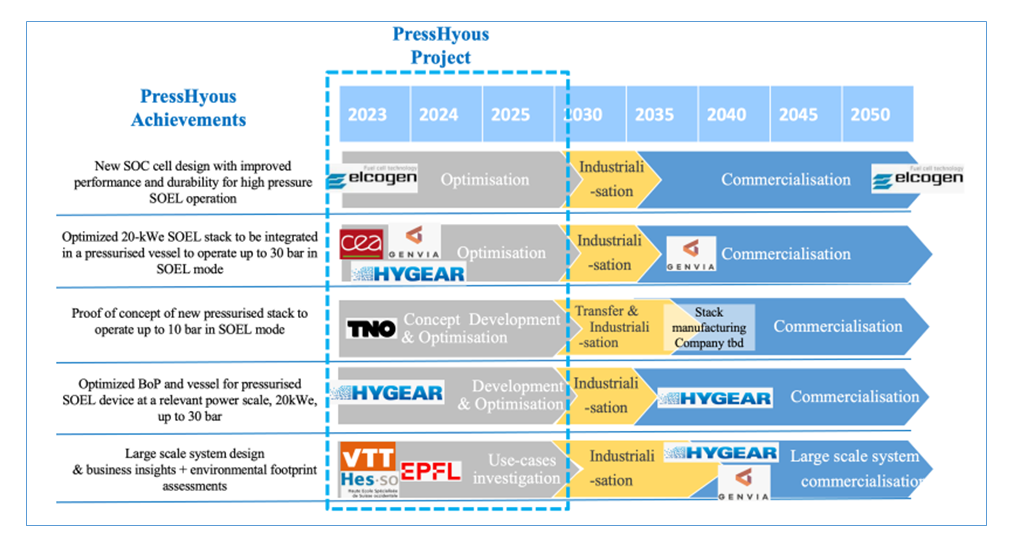
Figure 1 : Key Exploitable Results of PressHyous project
In this context, PressHyous, an EU R&D project funded by the Clean Hydrogen partnership, is aiming to produce low-carbon pressurised H2 at high efficiency and reduced cost. It will prove the concept through the operation of a 20 kWe pressurised lab-scale device (eq. 13.5 kg of pressurized H2/day). This lab-scale device will be composed of a Solid Oxide Electrolysis (SOEL) stack located in a pressurised vessel, and will be operated up to 30 bar at 1 A/cm2 close to the thermoneutral voltage during 4000 hours at least. The project also aims to investigate an innovative stack concept, without pressure vessel, thus reducing the cost of Balance of Plant, by testing this solution up to 10 bar at a short stack scale, at similar current density to the stack operated in the pressurised vessel. To reach the set objectives, both stacks will integrate optimised components, notably electrochemical cells and sealing, improved for operation under pressure. To complement the practical testing of the PressHyous concepts, the project will deliver model-based insights for H2 production under pressure for up to 5 identified use cases, on expectable performances of both stack concepts (with or without pressurised vessel) towards large scale developments up to 100s MWe, coupled with techno-economic and life-cycle analysis.
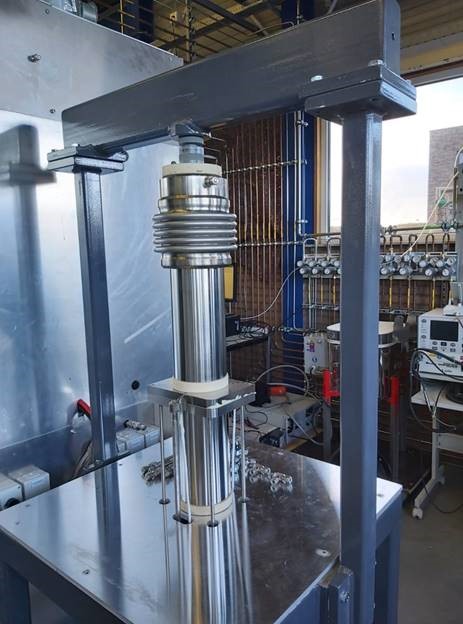
Figure 2 : Test bench for pressurized stack up to 10 bar at TNO